Türkçe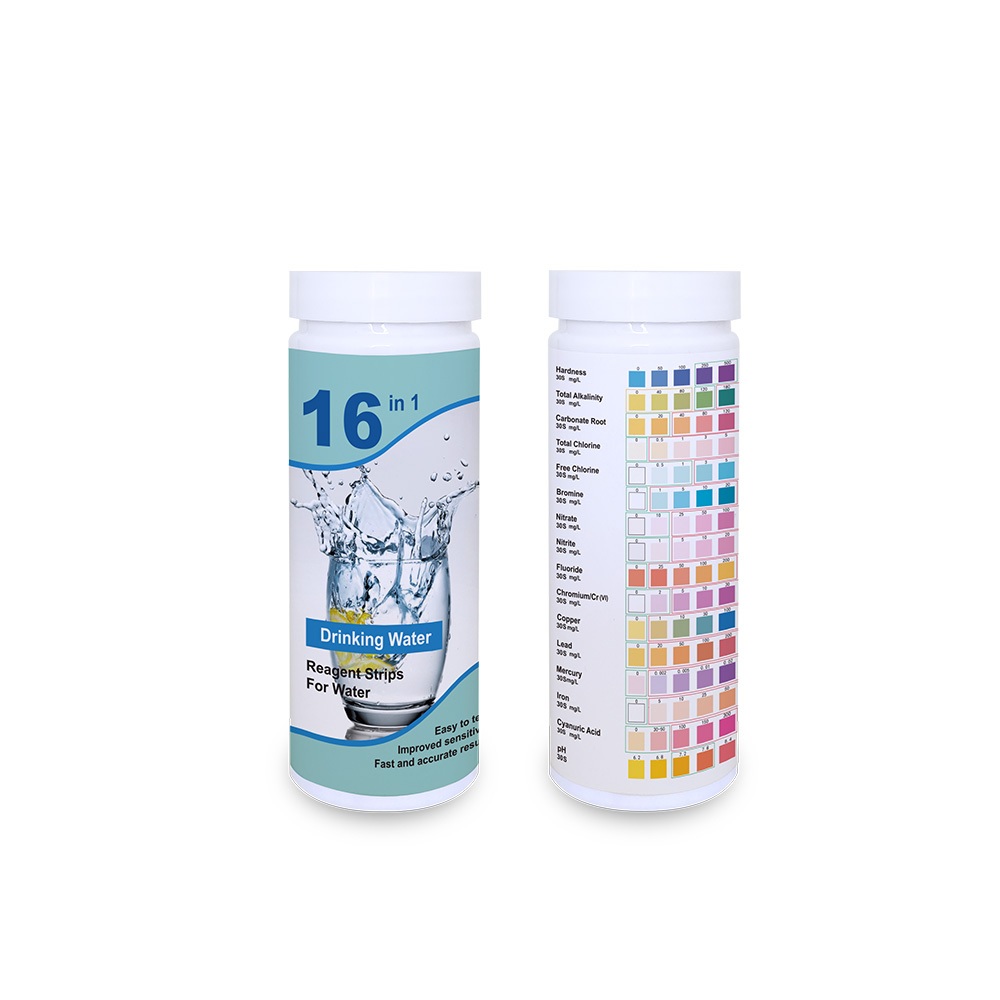
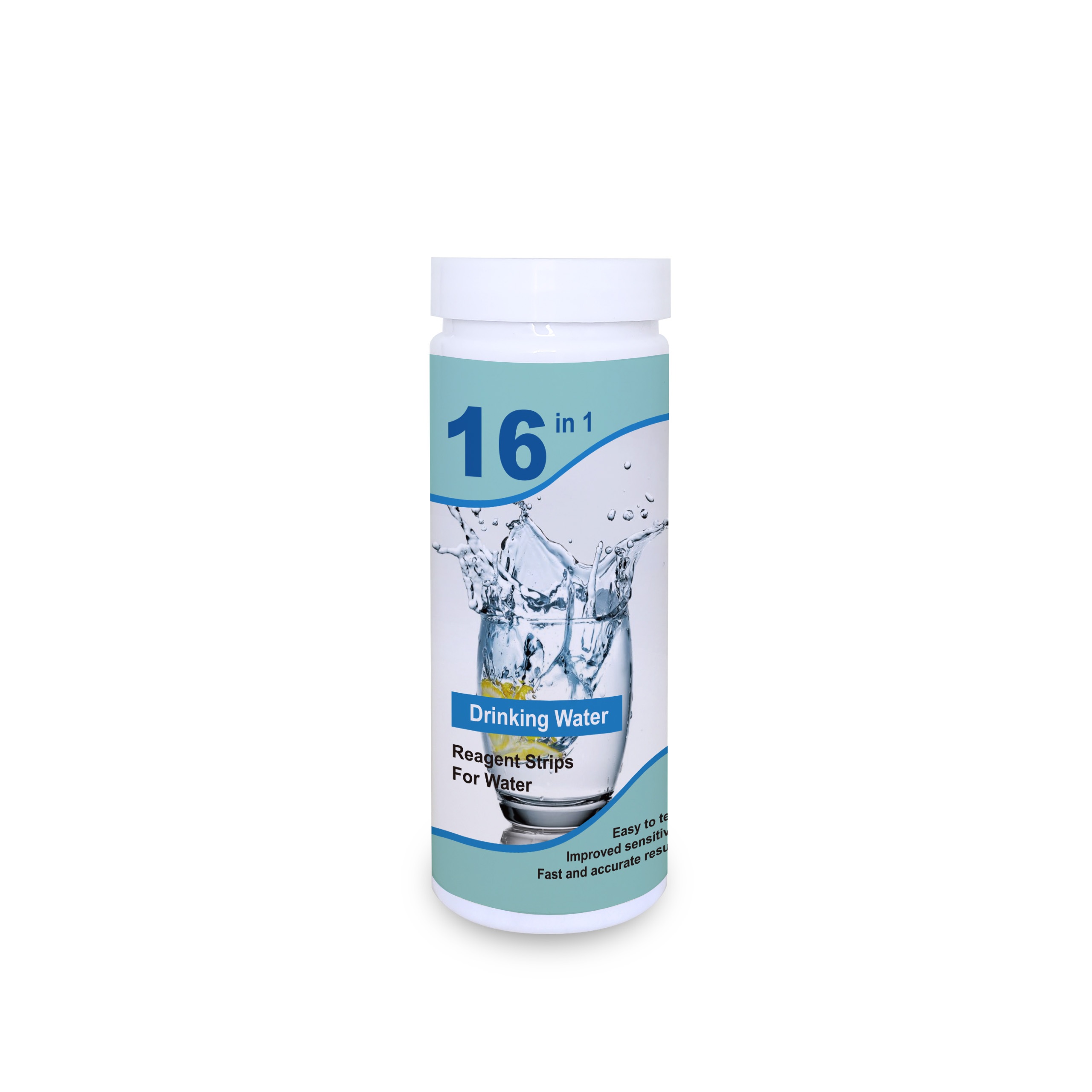
16-Parameter Water Analysis Test Strips User and Information Guide
Water is the most fundamental source of life, essential for both human health and the preservation of ecological balance. However, it is impossible to determine the safety of the water we drink, use in our pools, or keep in our aquariums with the naked eye. While in the past, measuring water quality required expensive laboratory equipment and analyses that took days, today, thanks to 16-parameter water analysis test strips , it is possible to take an "X-ray" of the water in seconds, in the comfort of your home.
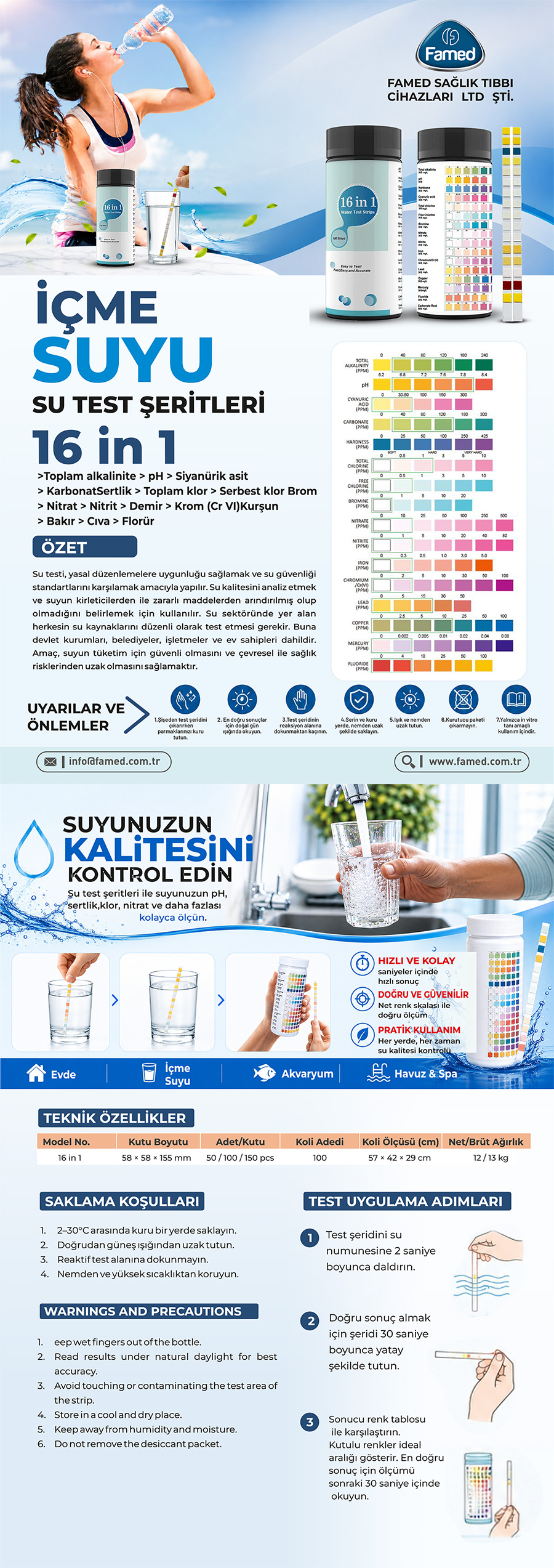
This guide will detail what 16-parameter water test strips are, what vital values they measure, how to use them correctly, and their wide range of applications. Typically, a box contains 50 to 100 strips with a color comparison scale. Thanks to the color-changing squares on a single strip , you can see 16 different chemical and physical values in the water within minutes.
1. What is a 16-Parameter Water Analysis Test Strip ?
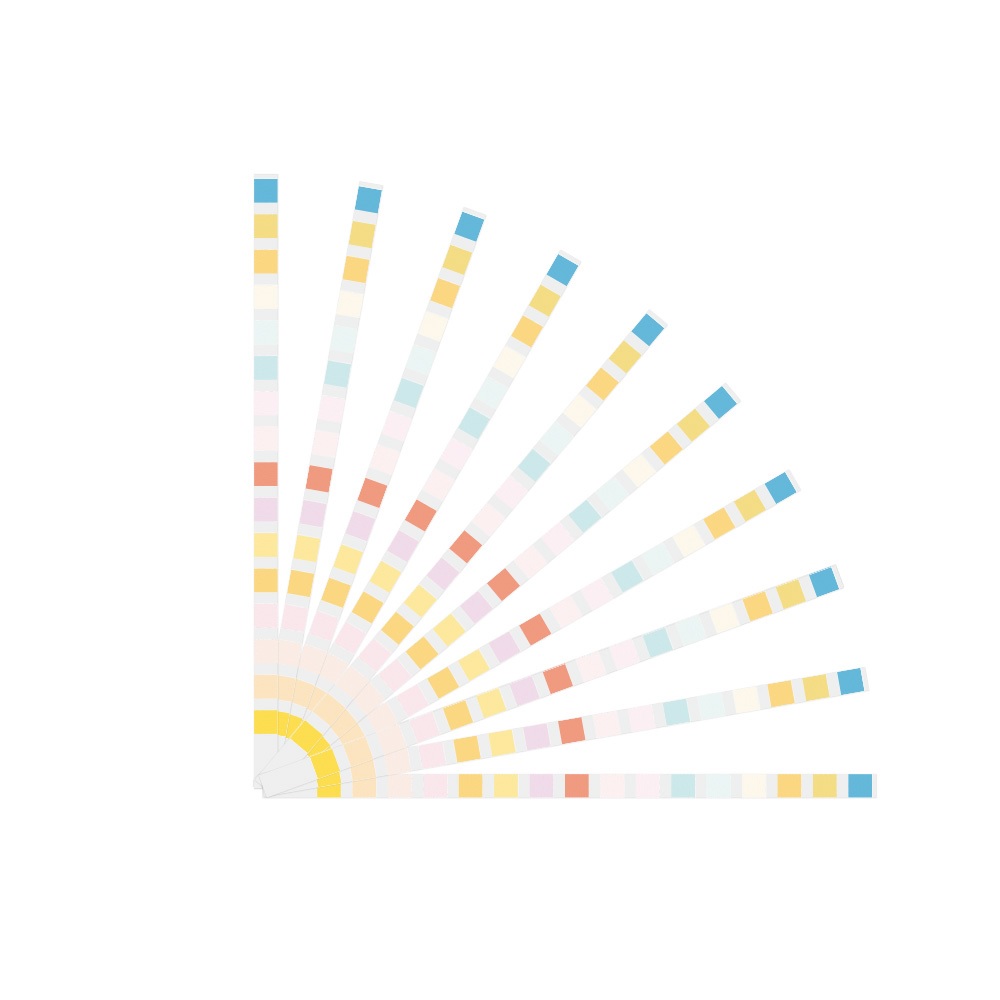
16-parameter test strips are practical measuring strips made of plastic or paper , containing small square boxes with different chemical reagents . When immersed in water, the chemicals in the water react with the reagents on the strip, causing a color change. The term "16-parameter" means that a single strip can independently and quickly measure 16 different chemical, mineral, and heavy metal values simultaneously.
2. The 16 Parameters Measured and Their Significance from a Health Perspective
The parameters included in a standard 16-in-1 water test kit analyze both the general composition of the water (hardness, acidity) and potential sources of contamination (heavy metals, toxic substances). Details of these parameters are summarized in the table below:
| Parameter | Explanation and Health/Environmental Effects |
|---|---|
| pH (Acidity/Alkalinity Level) | It indicates how acidic or basic the water is. Ideal drinking water pH. The pH range is between 6.5 and 8.5. Very low or high pH levels can cause corrosion in pipes or a bitter taste in the water. |
| Free Chlorine ( Free Chlorine ) | This is the amount of active disinfectant remaining in the water. It is used as a germicide in pool and tap water. |
| Total Chlorine | It indicates both free chlorine and chlorine combined with organic matter. Excessive amounts are irritating. |
| Total Alkalinity | the water's resistance ( buffering capacity) to pH changes. |
| Total Hardness (GH) | Hardness is the amount of calcium and magnesium dissolved in water (lime content). High hardness leads to limescale buildup in household appliances. |
| Carbonate Root ) | the buffering capacity and mineral balance of water . |
| Cyanuric Acid Acid ) | It is a chemical stabilizer, especially in pool water, that prevents chlorine from being destroyed by sunlight. |
| Nitrate ( NO₃⁻ ) | It usually originates from fertilizer leaks or waste. High consumption is extremely dangerous, especially for babies and pregnant women. |
| Nitrite ( NO₂⁻ ) | It signals bacterial contamination and organic waste. Fish and other living organisms are extremely sensitive to this change. |
| Iron (Fe) | An element that gives water a rust-like color and metallic taste, and can contaminate it from plumbing or welding sources. |
| Copper (Cu) | Heavy metals that can leach from plumbing pipes and are harmful to human health in excessive amounts. |
| Lead (Pb) | toxic heavy metal that can enter the body from old pipes, accumulate, and cause serious neurological damage . |
| Fluoride | While a certain amount is desirable for dental health, excessive fluorosis can lead to changes in bones and teeth. |
| Chromium / Hexavalent Chromium ( CrVI ) | A dangerous heavy metal, known to have carcinogenic effects, and an indicator of industrial pollution. |
| Bromine | It is an element used as a disinfectant in swimming pools and hot tubs, similar to chlorine. |
| Sulfate ( SO₄²⁻ )**** | In high concentrations, it gives water a bitter taste and can negatively affect the digestive system (causing diarrhea, etc.). |
3. Step-by-Step Guide to Correct Usage
test strips , it is necessary to follow the manufacturer's instructions. The general usage process is quite simple and consists of 3 basic steps:
- Immersion and Sample Collection: Pour the water to be tested into a clean glass. Immerse one test strip in the water, ensuring all squares are wet, and hold it submerged for 2-3 seconds before removing it.
- Waiting: Remove the strip from the water. To prevent the colors from bleeding, lay the strip horizontally, exposed to air, for 15 to 60 seconds (this varies depending on the brand of the product). Avoid shaking off excess water.
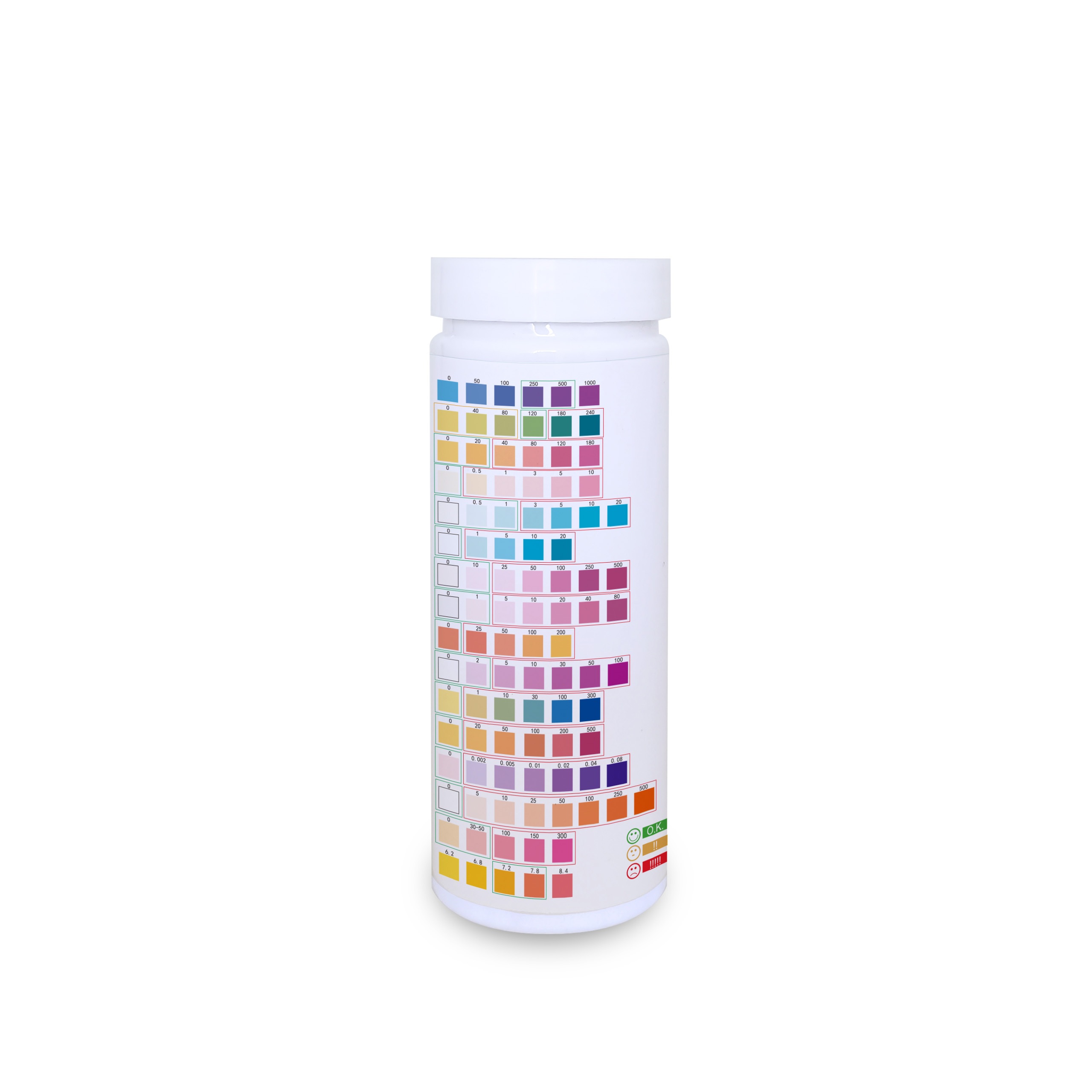
- Comparison and Reading: Determine the values by precisely matching the color boxes on the ribbon with the color scale located on the back or side of the product box.
4. Wide Range of Applications
These practical test kits are not limited to drinking water testing but play a life-saving role in many other areas:
- Drinking and Tap Water (Household Water Treatment Devices): Water is tested before and after treatment to check if the filters have reached the end of their lifespan or to monitor the quality of the tap water.
- Aquariums and Fish Ponds: Fish are extremely sensitive, especially to nitrite and pH changes. Regular testing prevents mass fish deaths.
- Pool and Jacuzzi Maintenance: To ensure a safe, hygienic, and clear swimming area, chlorine, bromine, and pH levels must be kept constantly balanced.
- Well and Spring Waters: This is the fastest method for testing waters not connected to the network for heavy metals, pollutants, and toxic substances before agricultural or domestic use.
Conclusion and Limitations
16-parameter water analysis test strips are excellent early warning tools due to their affordability, lack of laboratory requirement, and quick results . Regularly testing water quality is the smartest way to protect your health and extend the lifespan of your home's plumbing and appliances. However, it's important to remember that these strips provide semi-quantitative (approximate) results.
⚠️ Important Note and Warning: Test strips provide quick and preliminary information about the general condition. If you suspect that dangerous parameters such as lead, nitrate, chromium, or other heavy metals are above limit values on your test strip, or if you notice a color change, you should consider this an alarm. For a detailed report containing accurate, official, and legally sound results, it is strongly recommended that you have your water sample analyzed by an accredited professional laboratory.