Türkçe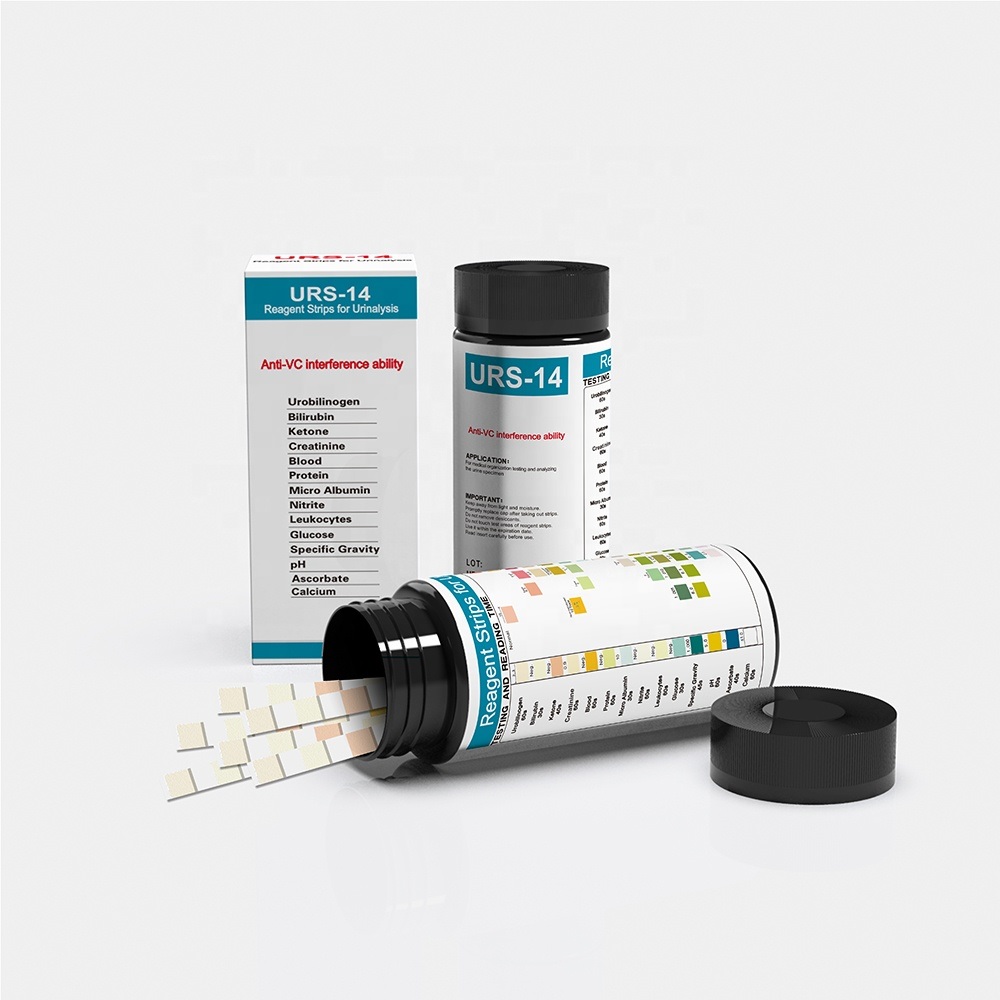
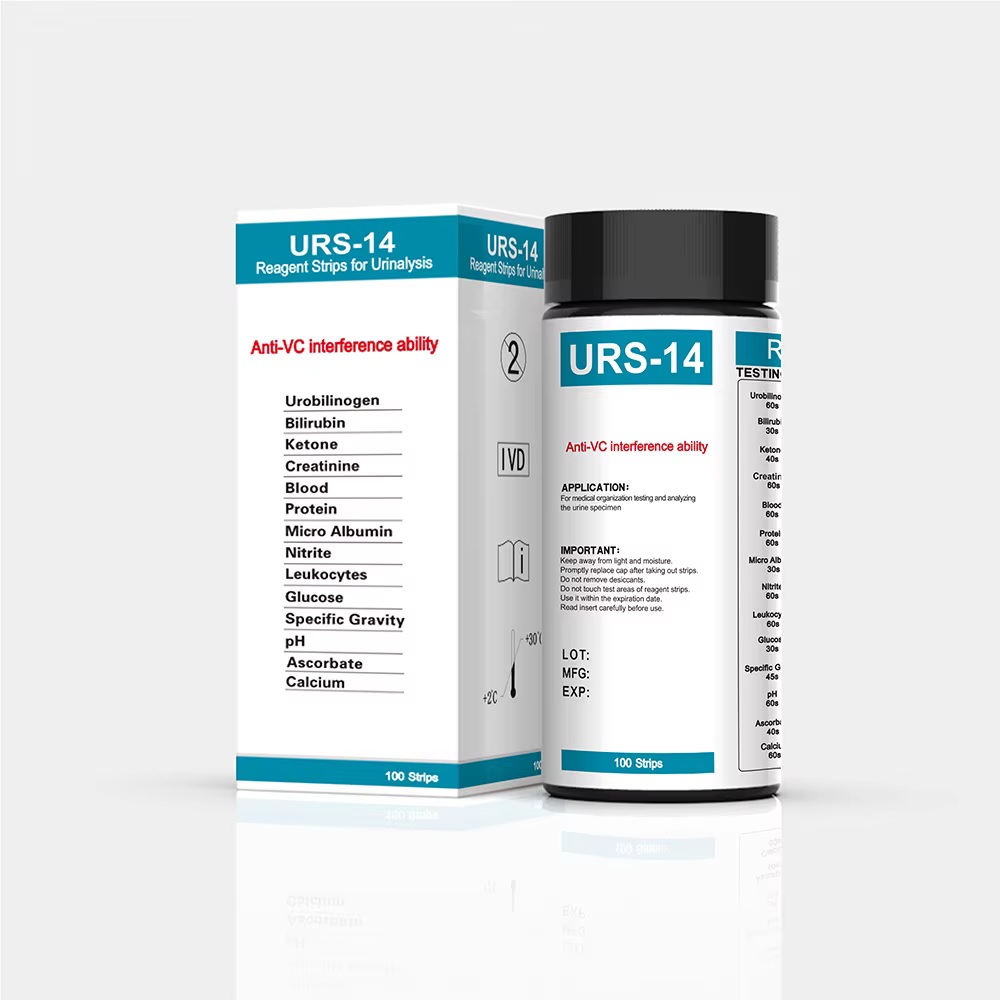
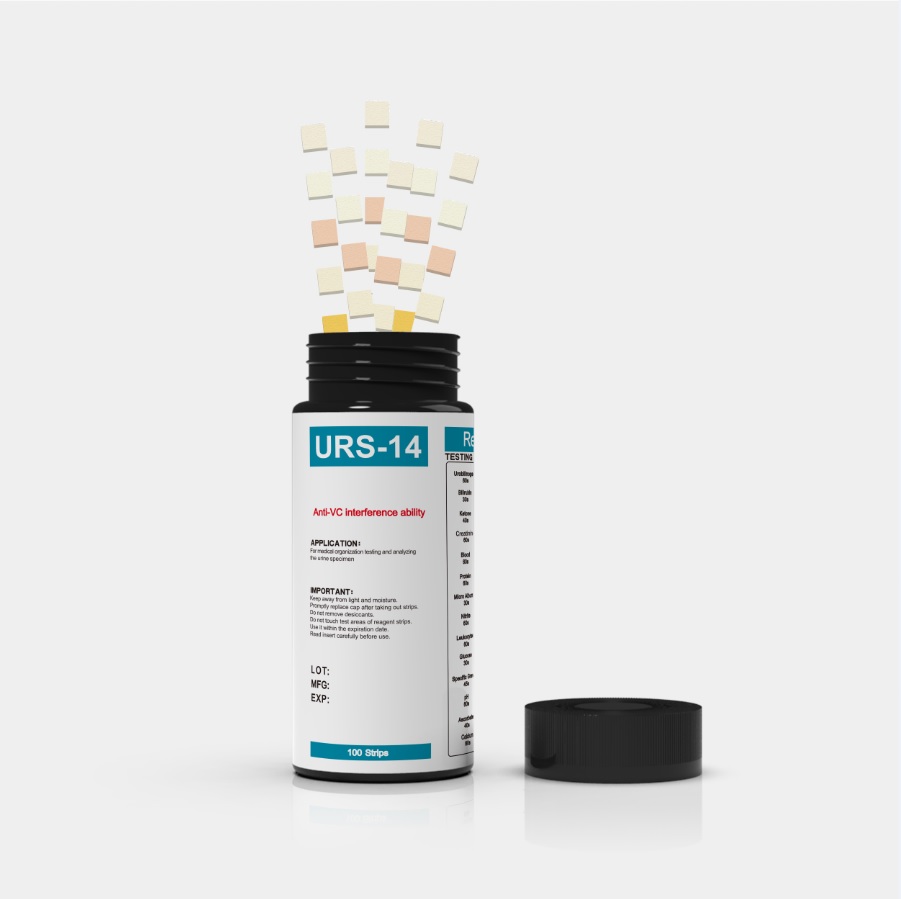
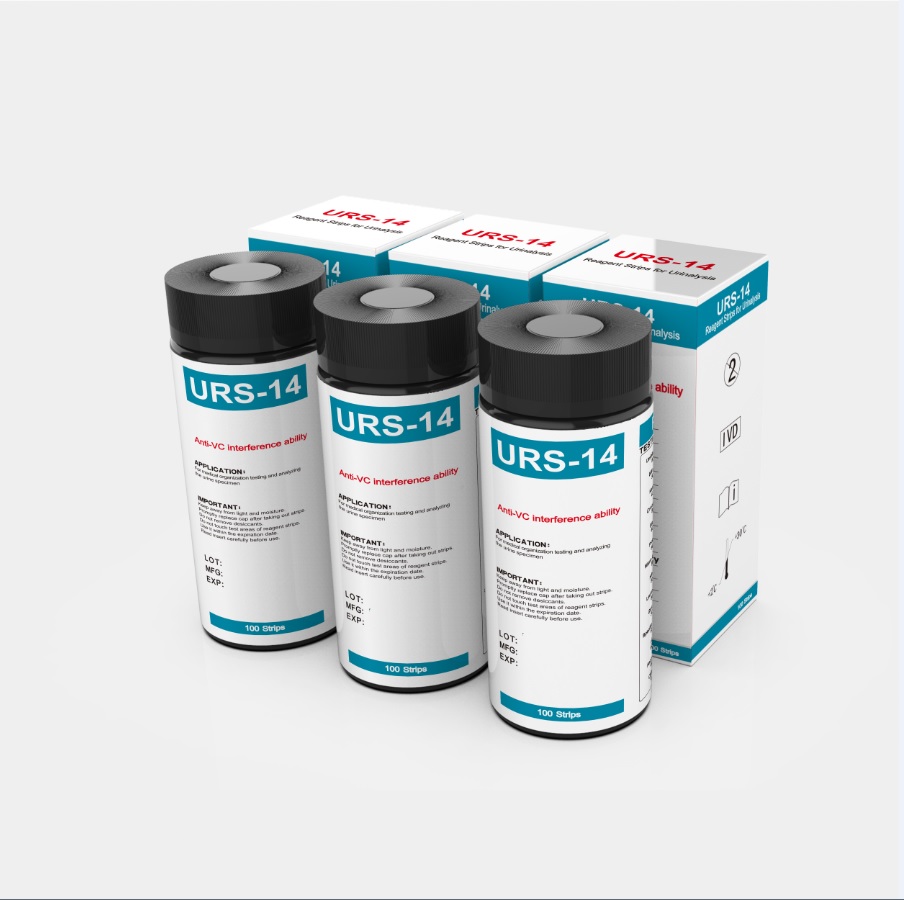
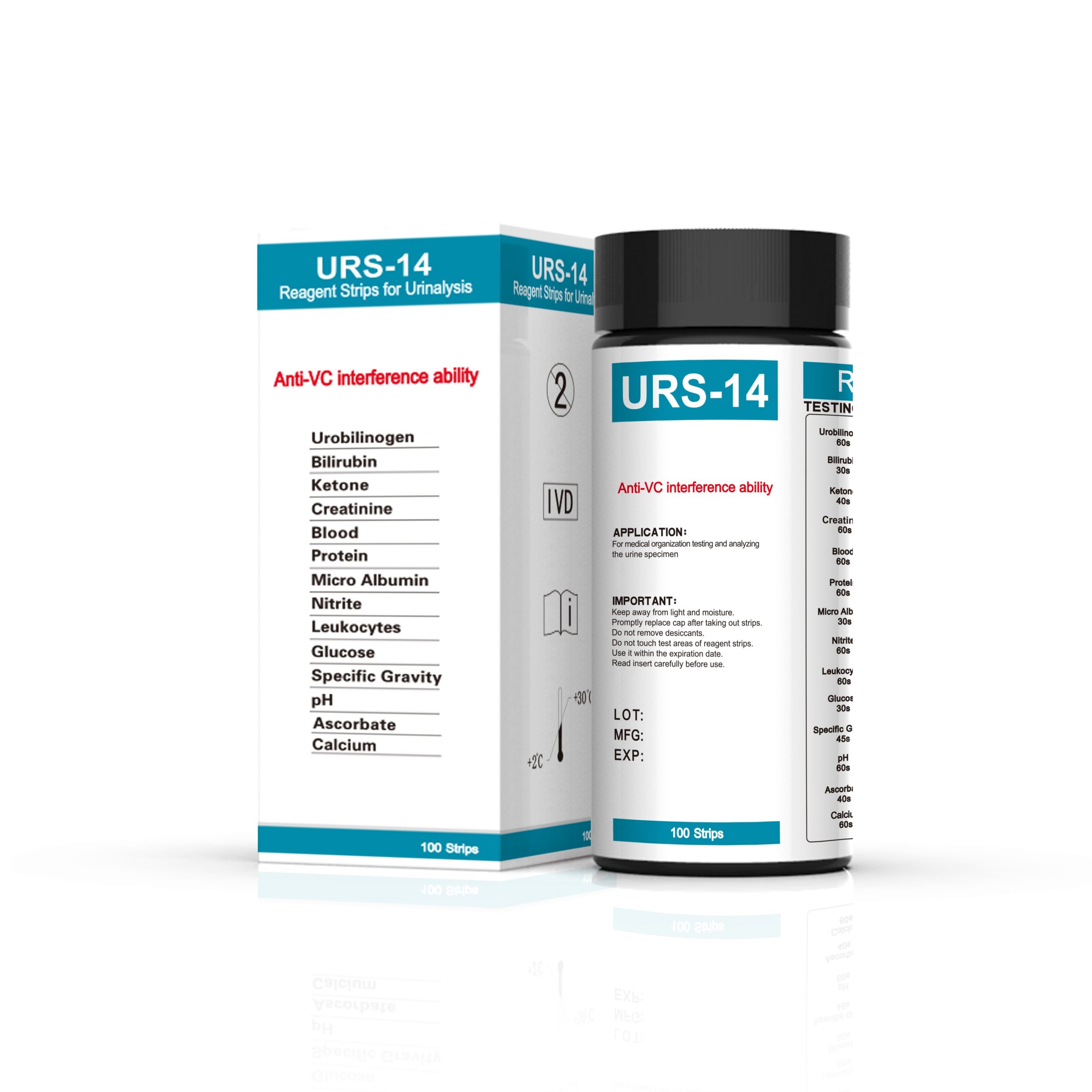
14-Parameter Rapid Urine Test Strips User and Evaluation Guide
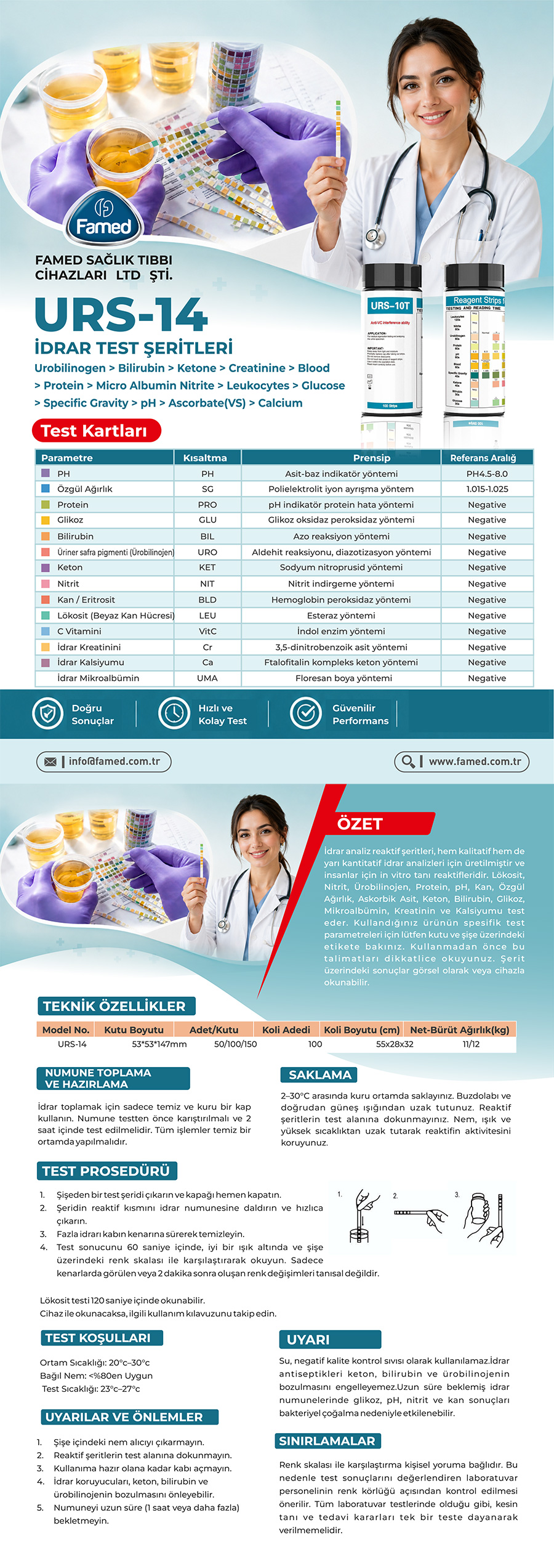
Urine test strips (medically known as urine test strips or urinalysis) Urine test strips (dipsticks ) are highly practical medical tools that provide a quick overview of the body's overall health. While 10-parameter tests are commonly available, 14-parameter rapid urine test strips offer a much more comprehensive screening, evaluating a wide range of issues at once, from kidney function and liver function to metabolism and hidden infections.
Each square on these strips contains special reagents that react with specific chemicals in the urine, resulting in a color change.
1. 14 Parameters and Their Meanings in the Body
The 14 items measured in these advanced tests and their clinical significance are as follows:
- Glucose (Sugar): Normally not found in urine. A positive result may be a sign of diabetes.
- Bilirubin : Passes in urine in cases of liver or gallbladder problems (for example, jaundice).
- Ketones: Indicate that the body has started burning fat instead of sugar for energy. They increase during intense diets, fasting, or uncontrolled diabetes (diabetic ketoacidosis ).
- Specific Gravity (Density / SG): Measures the density of urine. It indicates the body's dehydration level or the kidneys' ability to concentrate urine.
- Blood (Erythrocytes/Hemoglobin): The presence of hidden or visible blood in the urine may be a sign of kidney stones, infection, or serious kidney problems.
- pH (Acidity Level): This refers to the acid or base balance of the urine. It can be affected by diet and also determines the tendency for stone formation.
- Protein: It leaks into the urine when there is a problem with the kidneys' filtering mechanism (this can occur after kidney disease or strenuous exercise).
- Urobilinogen : Provides information about liver diseases or premature destruction of red blood cells ( hemolytic anemia).
- Nitrite : Indicates the presence of certain bacteria that cause urinary tract infections (UTIs).
- Leukocytes (White Blood Cells): Indicate that the body is fighting an infection. Often used in conjunction with nitrites to diagnose urinary tract infections.
- Ascorbic Acid (Vitamin C): High levels of vitamin C in urine can cause some other tests on the strip ( such as glucose or blood) to give false negative results. This parameter is critical for checking the accuracy of the test.
- Microalbumin : Detects very small amounts of albumin that are undetectable in routine protein tests. It is particularly useful in detecting early-stage kidney damage in patients with diabetes and hypertension.
- Creatinine : A waste product of muscle metabolism. It is measured to assess kidney function and to balance urine concentration, allowing for more accurate interpretation of other parameters .
- Calcium: The amount of calcium excreted in urine can provide clues about the risk of kidney stones or bone/metabolic diseases.
2. Step-by-Step User Guide
For the test to yield accurate results, the steps must be followed carefully:
- Sample Collection: Preferably the first morning urine is collected in a clean container (using mid-morning urine, meaning the first few squirts are discarded and the rest collected, improves test quality).
- Dipping: The strip is dipped in urine for 1-2 seconds, ensuring all squares are wet, and then immediately removed.
- Filtering Excess Urine: Excess urine is filtered by touching the edge of the strip to the mouth of the container (the strip should be held horizontally to prevent the chemicals in the squares from mixing).
- Waiting and Reading: Parameters other than leukocytes are usually read after 60 seconds, and leukocytes after 120 seconds, by comparing them to the color scale on the box. Color changes after this time should be disregarded.
3. Reading Times and Color Change Chart
Timing and color change are two of the most critical factors for the accuracy of 14-parameter urine test strips. Reading too early leads to inaccurate results because the reaction hasn't started yet, while reading too late results are due to color changes caused by oxygen in the air.
| Reading Time | Parameter | Color Change | Medical Meaning & Clinical Significance |
|---|---|---|---|
| 30 Seconds | Glucose (Sugar) | Light green/blue → Dark brown/green | A positive result indicates the presence of sugar in the urine ( glucosuria ); the most common cause is uncontrolled diabetes. |
| 60 seconds | Bilirubin | Cream color → Pink/purple tones | It may indicate a bile duct obstruction or liver disease (hepatitis, etc.). |
| Ketone | Light pink → Dark burgundy/purple | This indicates that the body is burning fat for energy. It is a symptom of hunger, a ketogenic diet, or diabetic ketoacidosis . | |
| Specific Gravity (SG) | Dark green → Yellow (Color lightens) | Low values indicate high water consumption; high values indicate dehydration . | |
| Blood (Erythrocytes/ Hb ) | Yellow → Green or green-spotted | The presence of occult blood may be a sign of kidney stones, infection, tumor, or severe trauma. | |
| pH | Orange ( pH 5) → Green to Blue ( pH 8.5-9) | High acidity may indicate a tendency to stone stones, while alkaline urine may suggest certain bacterial infections or a vegetarian diet. | |
| Protein | Yellow → Green/blue tones | damage to the kidney's filtration mechanism ( nephrotic syndrome, kidney failure) or excessive physical exertion. | |
| Urobilinogen | White/light pink → Dark pink/red | liver damage or hemolytic anemia, where red blood cells are rapidly destroyed. | |
| Nitrite | White → Distinct pink | the presence of bacteria in the urinary tract (especially E. coli ), i.e., a urinary tract infection (UTI). | |
| Ascorbic Acid ( Vitamin C ) | Blue/green → Yellow | High vitamin C levels can suppress other tests (blood/ glucose ) and give false negative results, so this is for diagnostic purposes only. | |
| Microalbumin | Light green → Dark blue/green | It is a key indicator of early-stage kidney damage in diabetic and hypertensive patients (it detects small leaks). | |
| Creatinine | Beige/brown → Green/blue tones | It reflects the filtering capacity of the kidneys. By comparing it with the microalbumin value ( Alb / Cre ), it provides a precise analysis. | |
| Calcium | Light colors → Dark purple/blue tones | Excessive calcium excretion is observed in conditions such as kidney stone risk, hyperparathyroidism , or osteoporosis. | |
| 120 seconds | Leukocyte (White Blood Cell) | White/cream → Shades of purple | It is the slowest reaction parameter. Bruising indicates active inflammation or infection in the urinary tract. |
4. Important Reading Tips
- Scale Check: When comparing colors, keep the tape parallel to the color chart on the box, but avoid direct contact between the tape and the box to prevent soiling.
- Use a timer: Instead of counting the seconds in your head, be sure to use your phone's stopwatch. Do not consider any color changes on the strip after the 2-minute mark as medically significant.
⚠️ Important Note: Rapid urine test strips are an excellent preliminary screening tool, but they do not provide a definitive diagnosis on their own. If you see a suspicious or positive result on the strip, you must consult a doctor and have a complete urinalysis (CUA) performed in a laboratory for a definitive diagnosis and treatment.