Türkçe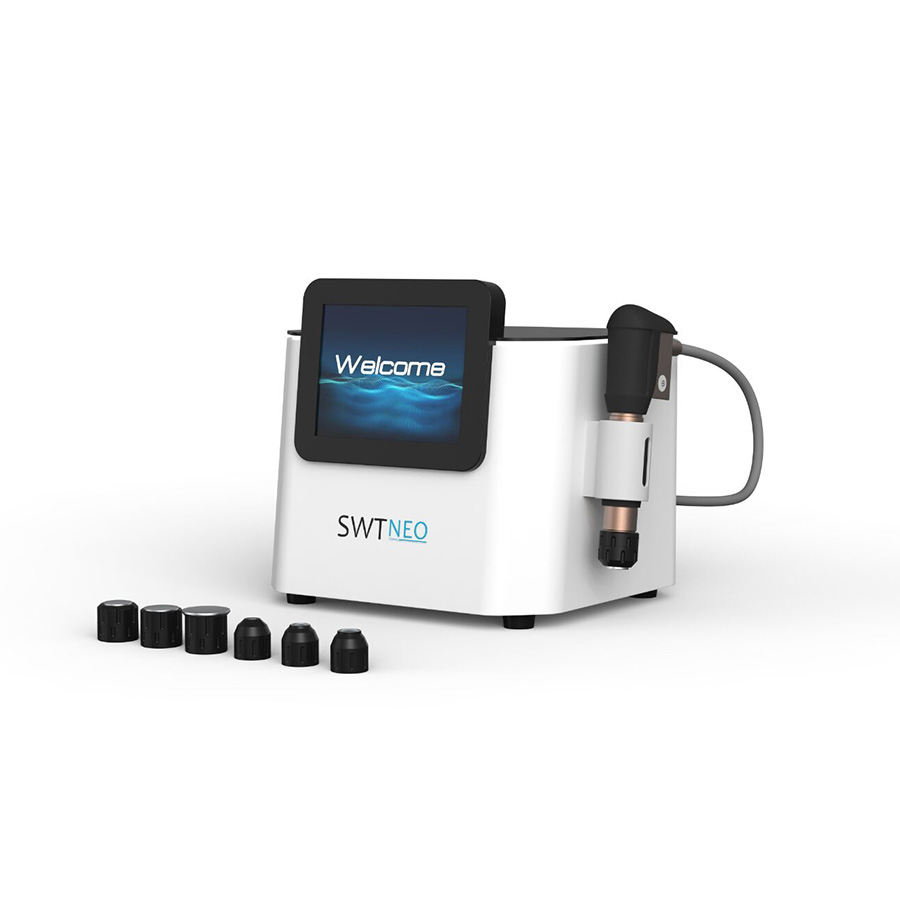
Shock Therapy Devices: Working Principle, Applications and Their Place in Modern Medicine
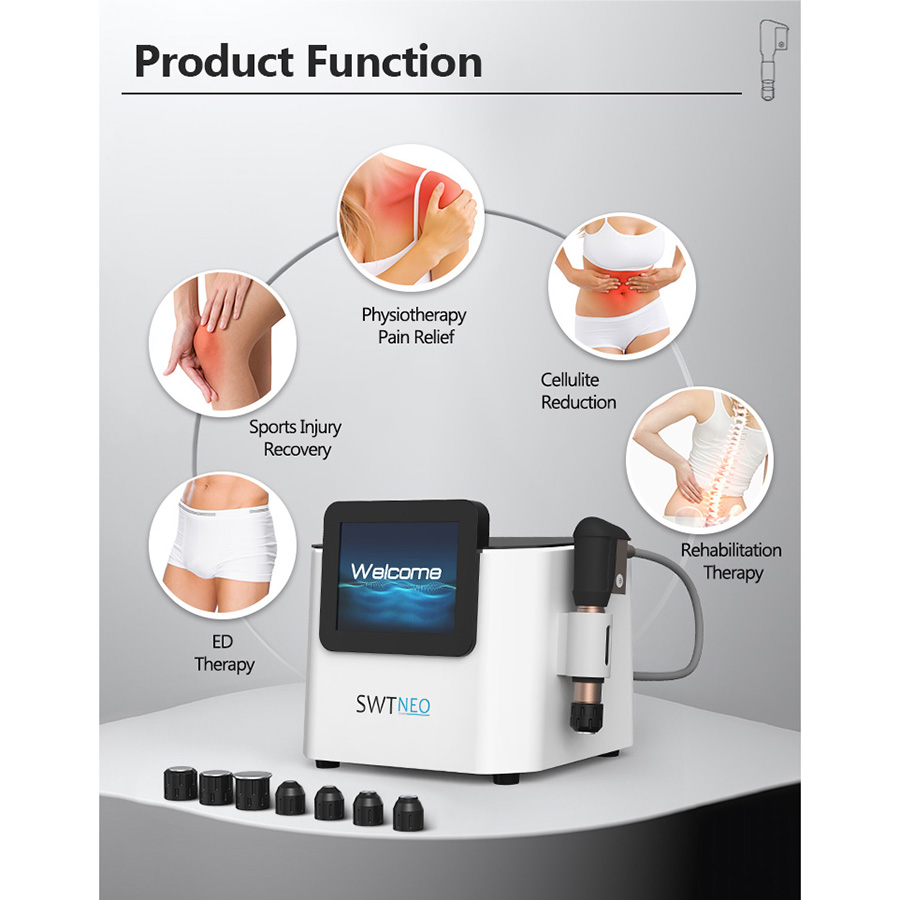
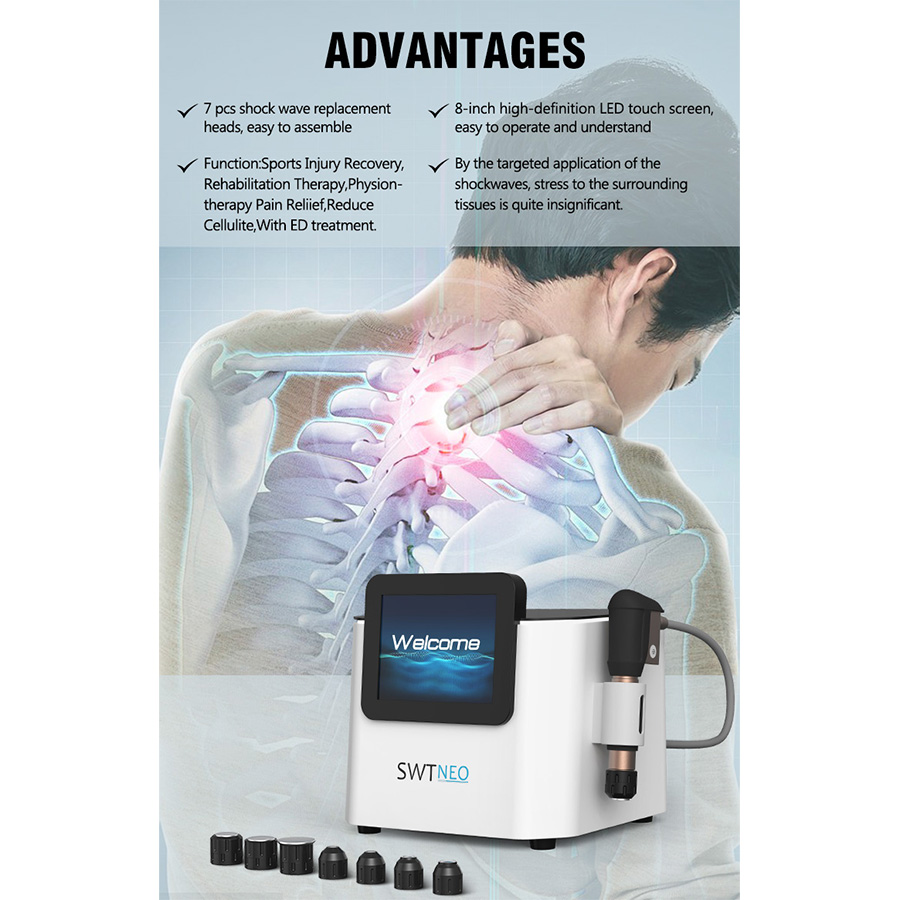
Shock therapy refers to devices used in medicine, generally in two different fields, that trigger cellular/biological activity using high-energy waves or electrical stimuli. Today, the first area that comes to mind when "shock therapy device" is mentioned is ESWT (Extracorporeal Shock Wave Therapy), used in the treatment of musculoskeletal diseases. The other area is ECT (Electroconvulsive Therapy), used in psychiatry for deep depression and resistant psychiatric disorders .
1. What is an Extracorporeal Shockwave Therapy (ESWT) Device and How Does it Work?
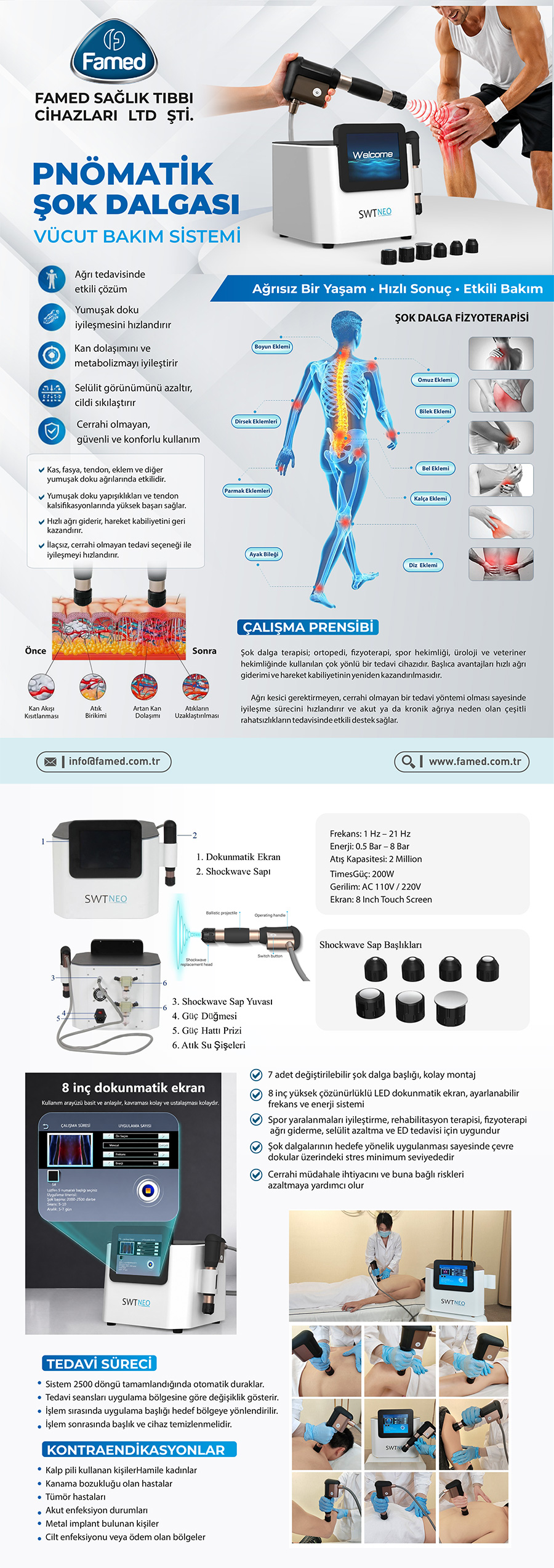
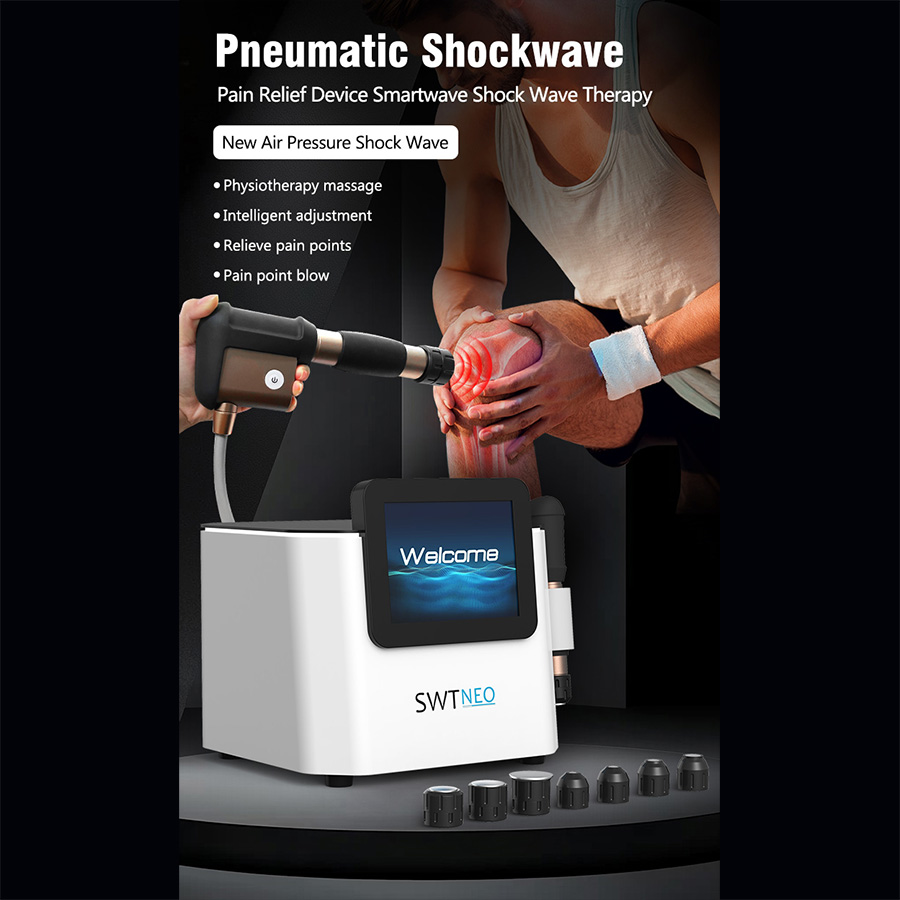
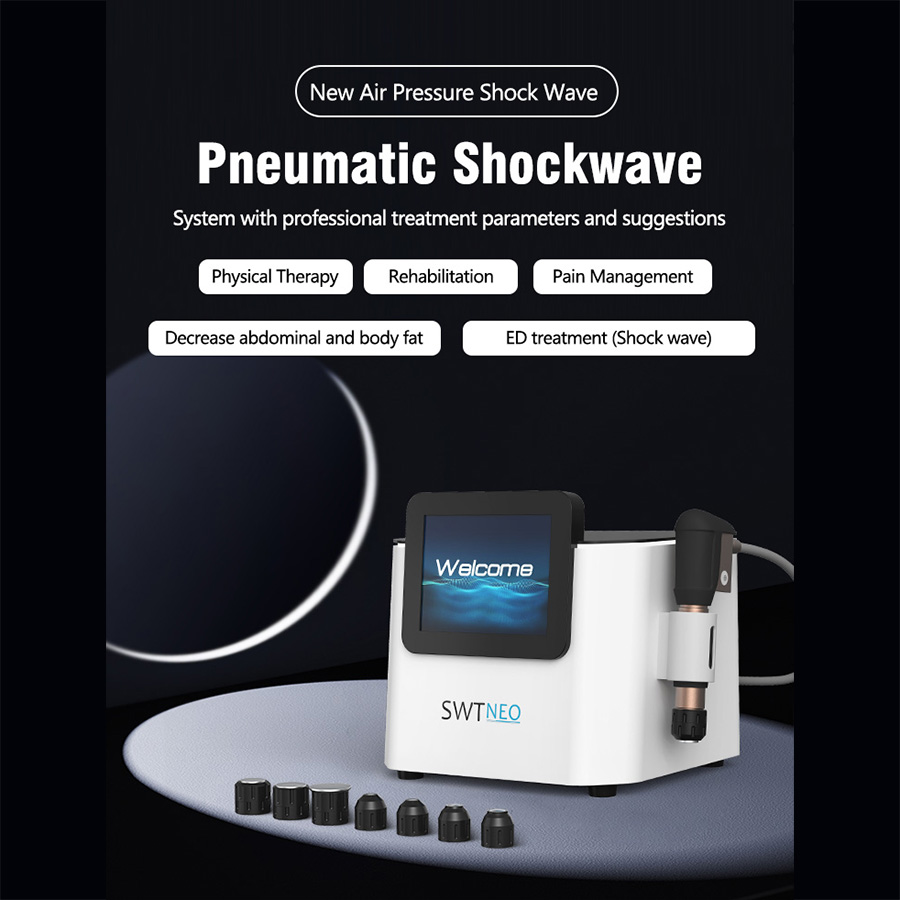
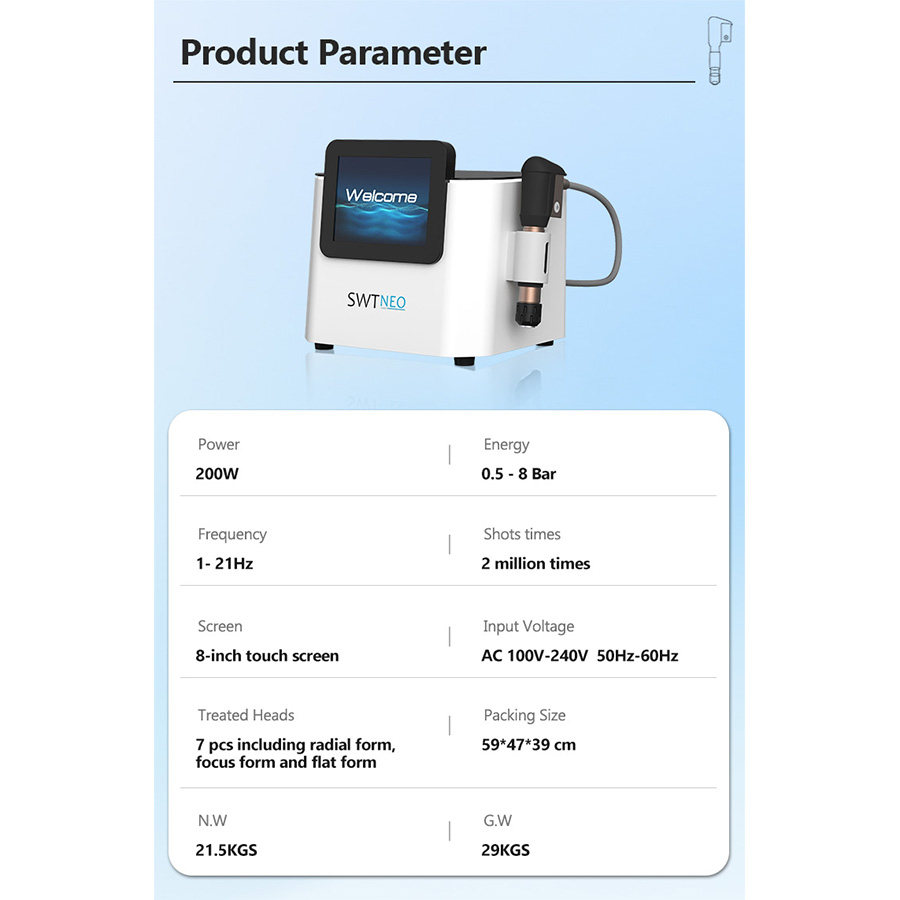
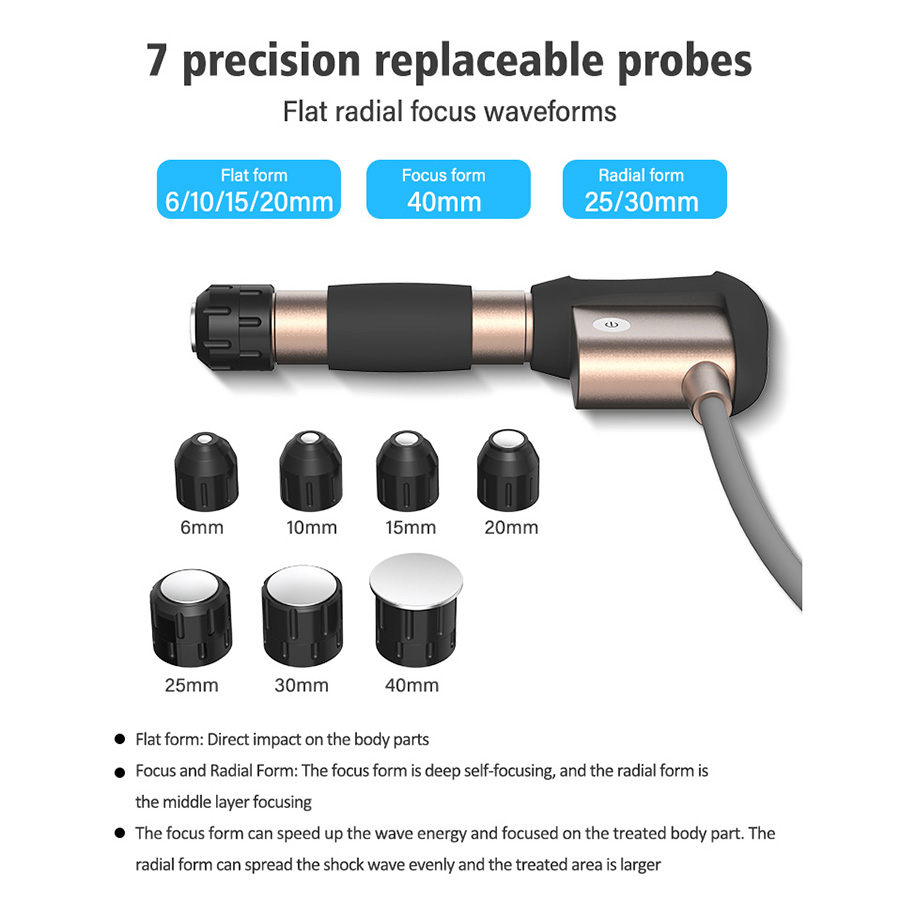
ESWT devices are mechanical-electronic systems that generate high-pressure acoustic (sound) waves and focus these waves onto a specific area of the body using a shock therapy device. These shock waves, produced by the device, are powerful energy packets traveling faster than the speed of sound, characterized by a sudden increase in pressure followed by a negative pressure phase.
The devices can generate shock waves using three main technologies in shock therapy:
- Electrohydraulic: shock therapy device. A shock wave is created by a burst of sparks in the water.
- Electromagnetic: In this therapy device, a shock wave is generated by the movement of an electric current across a membrane.
- Piezoelectricity: Based on the principle that crystals change shape when an electric current is applied (piezoelectric effect).
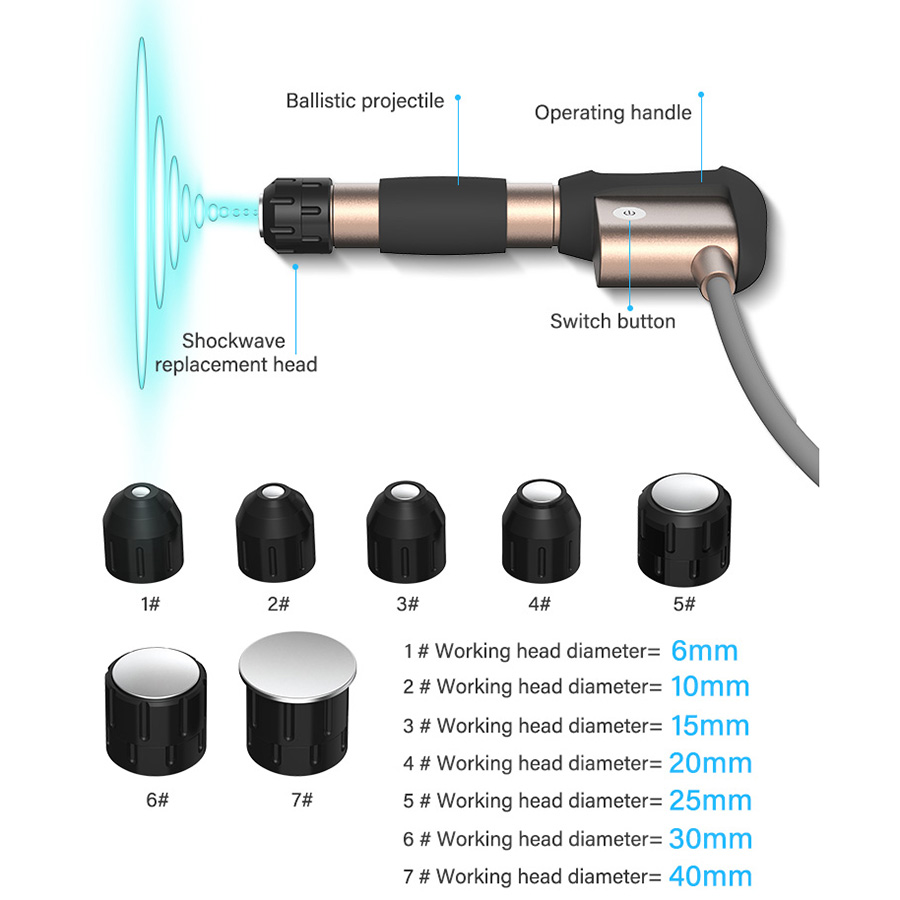
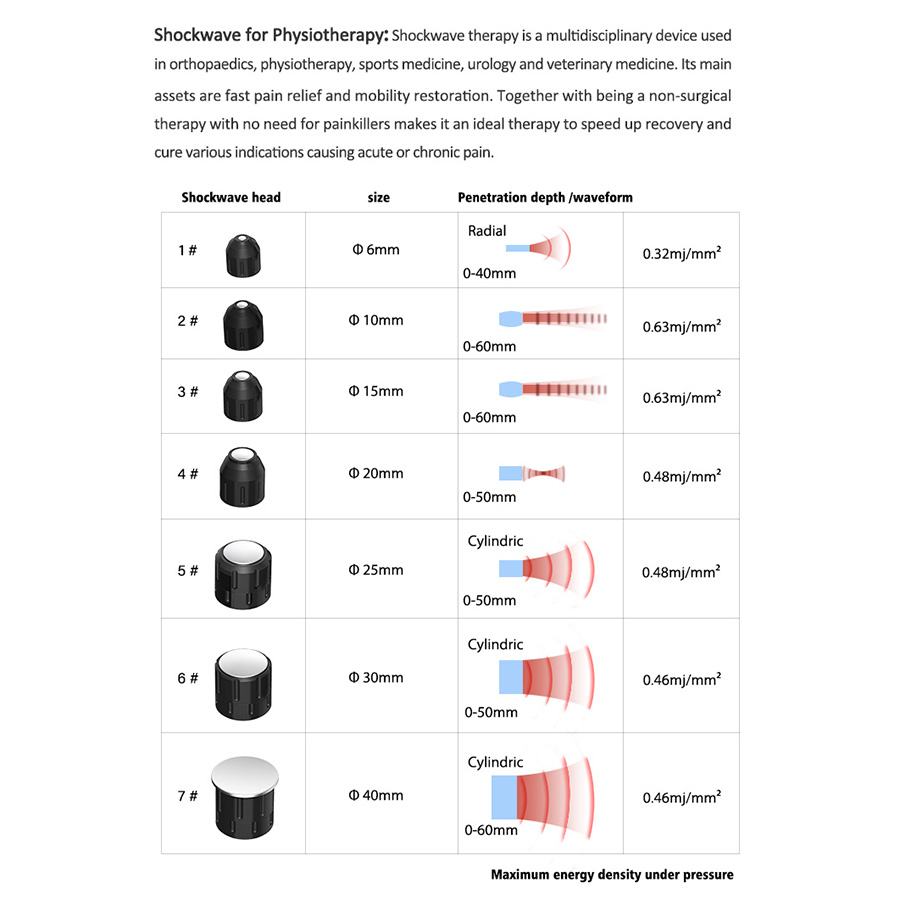
- Radial (Ballistic): In this type of device, kinetic energy is converted into acoustic waves when a projectile (piston inside the applicator) accelerated by air pressure strikes a headpiece. This type of device is most frequently preferred in clinical physiotherapy.
2. Mechanism of Action: What Changes in the Body?
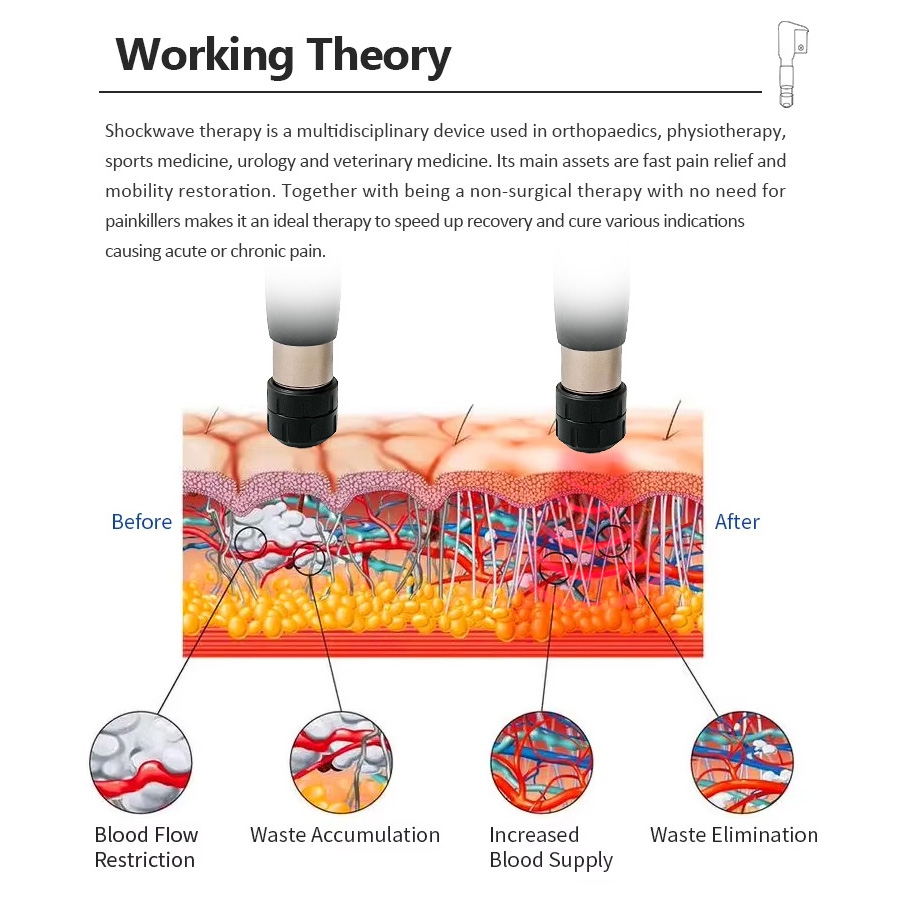
The therapeutic effect of a shock therapy device begins with a process called mechanotransduction . That is, the mechanical energy transmitted by the device is converted into biochemical signals at the cellular level.
- Neovascularization (New Blood Vessel Formation): The shock therapy device mimics micro-level tissue damage (microtrauma) in the applied area using shock waves. This activates the body's healing mechanisms, triggering the release of growth factors and the formation of new capillaries. This increases tissue nourishment.
- Dissolving Calcifications: The shock therapy device helps to mechanically break down calcium deposits (calcifications) that accumulate, especially in tendons, and facilitate their absorption by the body.
- Inflammation Suppression: The shock therapy device triggers the body's own defense mechanism to clear chronic inflammatory processes by transitioning them to an acute phase.
- Pain Management: It alleviates pain by reducing the concentration of substance P (pain neurotransmitter) and blocking nerve transmission using the gate control theory.
3. Main Areas of Use (Indications)
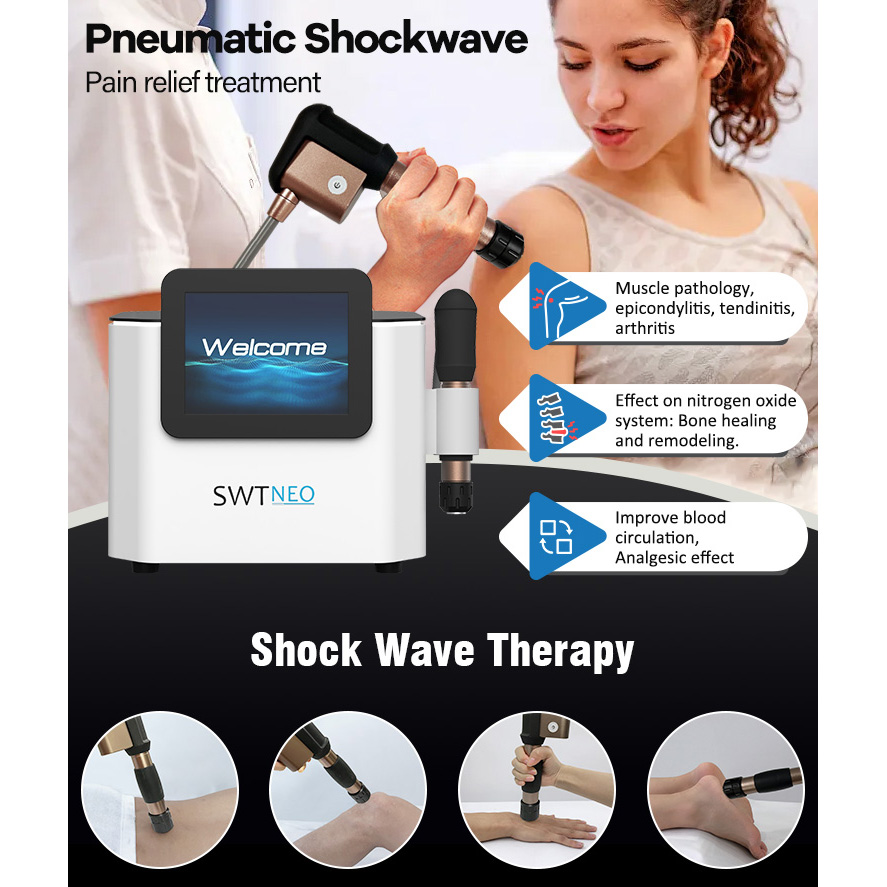
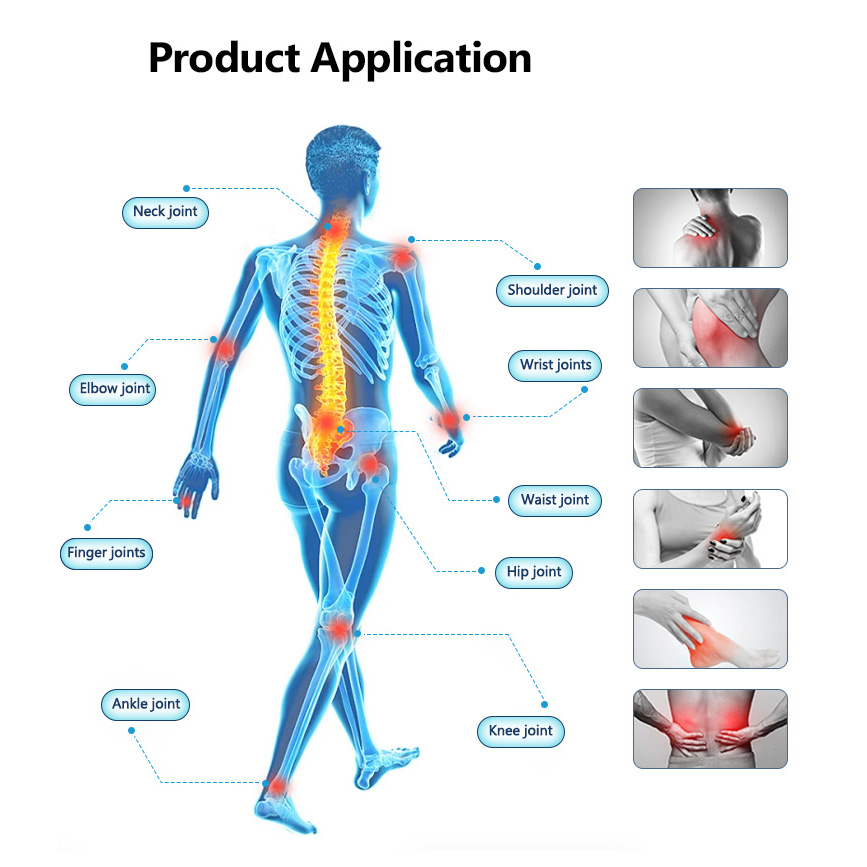
ESWT devices stand out as a "non-surgical solution," especially for chronic muscle, tendon, and ligament disorders that do not require surgical intervention.
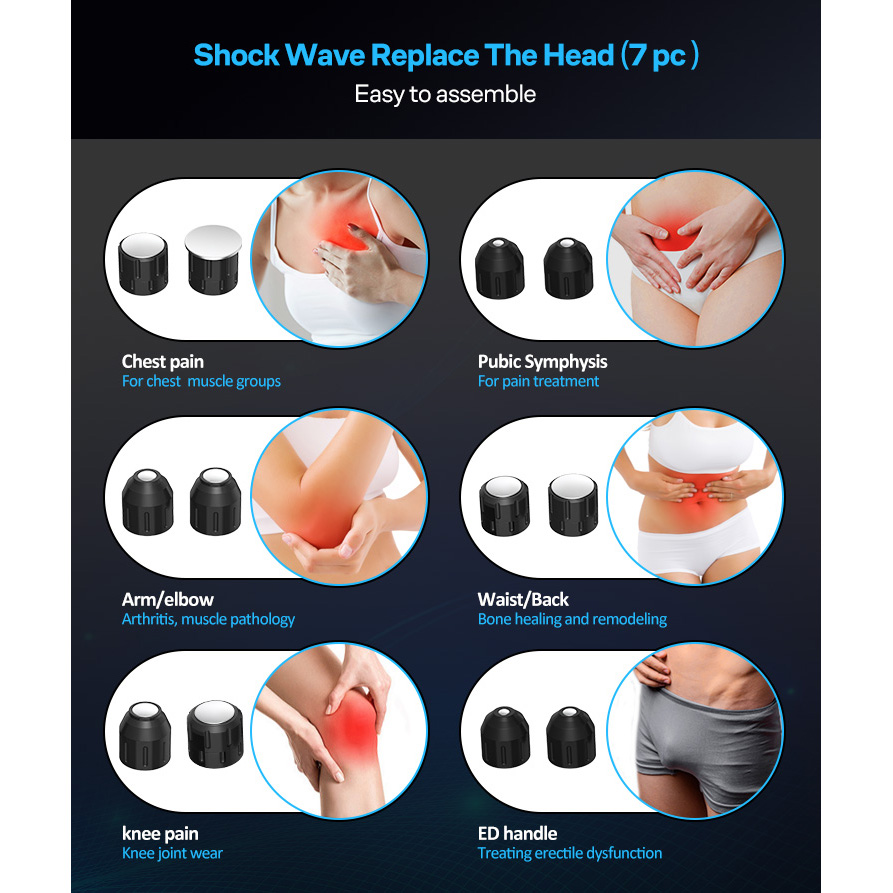
- Plantar Fasciitis and Heel Spurs: Shock therapy device is one of the most successful treatments for chronic pain in the soles of the feet.
- Tennis elbow and golfer's elbow (Epicondylitis): Shock therapy device used in the treatment of degeneration in the elbow tendons.
- Shoulder Calcific Tendinitis: Effective in painful osteoarthritis of the shoulder joint.
- Achilles Tendinopathy: Accelerates tissue regeneration in chronic Achilles tendon injuries.
- Trigger Point (Myofascial Pain) Treatment: Shock therapy device helps to relax muscle tightness known as muscle knots.
4. ESWT (Shockwave Therapy) and Impotence (Erectile Dysfunction)
In recent years, the use of shock wave therapy devices has not been limited to the musculoskeletal system, but has also become a groundbreaking method in the world of urology. This method, used in the treatment of impotence (erectile dysfunction - ED) in men, is called LIF-ESWT (Low-Intensity Extracorporeal Shock Wave Therapy) .
prefers low-intensity (micro-shock) acoustic wavelets that will not damage tissue .
Mechanism of Action in Impotence
Shock therapy device: The most common cause of impotence in men is the blockage, loss of elasticity, or insufficient blood flow in the blood vessels of the penis (vascular insufficiency). The shock therapy device focuses precisely on this root cause:
- New Blood Vessel Formation: The shock therapy device applies low-intensity shock waves to the spongy tissue (corpus cavernosum) of the penis, triggering micro-level intracellular signals and causing the body to produce new capillaries in this area.
- Increased Blood Flow: The shock therapy device allows blood, necessary for erection, to flow into the penis more easily and in greater volume thanks to the formation of new blood vessels and the dilation of existing ones.
- Tissue Regeneration: Supports the repair of smooth muscle cells damaged due to aging or chronic diseases (diabetes, hypertension, etc.).
Advantages of the Method
- Addressing the Cause and Prolonged Treatment: Instead of temporarily masking symptoms, it aims to permanently correct the underlying vascular insufficiency causing erectile dysfunction.
- Drug-Free and Non-Surgical: The patient does not need to take chemical drugs or undergo surgery (such as prosthesis).
- Painless and Anesthesia-Free: Sessions last an average of 15-20 minutes. No anesthesia is required, and the patient can immediately return to their daily life.
Important Note: Shock therapy has a low success rate in cases of severe nerve damage (e.g., complete severance of nerves after radical prostate cancer surgery) or erectile dysfunction of hormonal/psychological origin. For the treatment to be effective, the underlying cause must be vascular.
5. Safety, Side Effects, and Contraindications
Shock therapy devices are quite safe as they offer a non-invasive (surgical/interventional) and drug-free treatment. However, like any medical device, they should not be used in certain situations (contraindications) :
- In pregnant women (in areas close to the uterus),
- In patients using pacemakers,
- In patients with open wounds, infections, or a history of tumors/cancer in the application area,
- In individuals with severe blood clotting disorders or those taking high doses of blood thinners,
- To avoid damaging the growth cartilage, it should not be used in bone development areas in children.
Possible Side Effects: Mild redness, bruising, temporary increased pain, or localized tenderness may occur during and after application. These effects usually resolve spontaneously within 24-48 hours.
In the physical therapy and urology branches of modern medicine, shock therapy devices are powerful technological tools that maximize the body's self-healing potential (autologous regeneration). For patients suffering from chronic pain and those with vascular-related erectile dysfunction, it is a safe treatment option with a high success rate when applied under the supervision of a specialist physician with the correct dosage adjustment.